
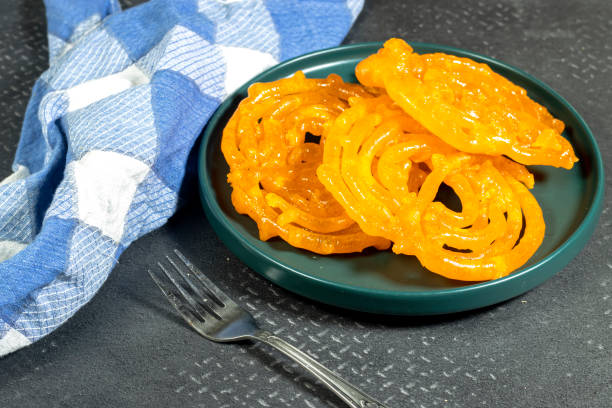

Okay, let’s be real. Who doesn’t love Jalebi??
It’s golden, crispy on the outside, juicy and syrupy inside, and just that perfect balance of sweet and slightly tangy. Like honestly, there’s a reason this stuff shows up at every Indian wedding, Diwali party, or Sunday morning in a small-town halwai shop. Jalebi is that OG Indian sweet that nobody can resist — kids, aunties, uncles, everyone just goes in for a second piece without even thinking.
I always thought jalebi would be like, super hard to make at home. Like maybe you need some big fancy setup or a sugar wizard living in your house. But nope — turns out, you can totally make it at home. It just takes a bit of patience (and a lil practice) but it’s actually not that crazy complicated.
So here’s how we make traditional jalebi at home — not the super quick 10-min one with shortcuts, but the proper fermented version like our nani used to make
What Is Jalebi Anyway?
If you’ve never had jalebi (first of all, I’m so sorry), it’s basically a deep-fried sweet spiral made from a fermented flour batter, soaked in sugar syrup while it’s hot. The outside stays crisp and the inside soaks up all the sweetness. You eat it hot, ideally with some rabri on the side if you’re feeling extra.
It’s kinda like a funnel cake but 100x better. And way more addictive.
Ingredients You’ll Need:
For the batter:
-
1 cup all-purpose flour (maida)
-
2 tbsp corn flour (makes it crispier)
-
1/4 tsp baking powder
-
1/4 tsp turmeric or a pinch of food colour (optional – for that bright yellow-orange look)
-
1/2 cup yogurt (dahi)
-
1/2 cup water (adjust as needed)
-
A pinch of baking soda (ONLY right before frying)
For the sugar syrup:
-
1 cup sugar
-
1/2 cup water
-
1/4 tsp cardamom powder (optional but so nice)
-
Few strands of saffron (if you got it)
-
1/2 tsp lemon juice (helps prevent crystalizing)
For frying:
-
Ghee or oil (or mix of both)
Tools:
-
Squeeze bottle or piping bag with small nozzle
-
Flat frying pan or wide kadai
-
Slotted spoon
-
Basic patience
Step-by-Step Jalebi Recipe
Step 1: Make the batter
In a bowl, mix maida, corn flour, turmeric (if using), baking powder, and yogurt. Slowly add water and whisk to form a thick but smooth batter — no lumps! The consistency should be like pancake batter, not too runny, not too thick. Kinda like honey-ish.
Cover and keep this in a warm spot for 10–12 hours or overnight. Yes, it needs time to ferment. Don’t rush it. You want some of that tanginess that gives jalebi its signature flavor.
If it’s winter, wrap the bowl in a towel or leave it in the oven with the light on. In summer, your countertop is fine.
Step 2: Make the sugar syrup
Right before you’re ready to fry, make the syrup.
Add sugar and water to a pan, heat on medium. Stir till the sugar melts. Add cardamom, saffron, and let it simmer for like 8–10 mins. You don’t want it too thick. One-string consistency is good — sticky but not too dense.
Add lemon juice at the end. Turn off heat but keep it warm.
(If the syrup cools down too much before jalebis are ready, heat it again slightly. It needs to be warm when you dip the jalebis in.)
Step 3: Prep for frying
Now check your batter. It should have a few bubbles and smell slightly sour — that’s perfect. Right before frying, add a pinch of baking soda and give it a gentle mix. This helps puff it up when frying.
Pour the batter into a squeeze bottle or piping bag. You can even use an empty ketchup bottle (just clean it lol).
Heat oil/ghee in a wide flat pan. Medium heat is best. Test with a small drop of batter — it should rise slowly and puff up, not brown instantly. Too hot = burnt jalebis.
Step 4: Pipe the jalebis
This part is tricky at first. Hold the bottle above the oil and start squeezing in spirals — start from the center and go outwards in a circular motion. 2–3 rounds is good. Doesn’t have to be perfect. Mine usually look like squiggly messes but still taste
Fry for a minute or two on each side till they’re golden and crispy.
Step 5: Soak in sugar syrup
Immediately take the fried jalebis out with a slotted spoon and dunk them into the warm sugar syrup. Let them soak for 30–40 seconds. Flip once if needed.
Then take them out and place on a plate. Try not to eat them all while doing this step. Seriously. It’s hard.
Step 6: Serve & devour
Serve hot jalebis right away. Best way to eat them is fresh, warm, slightly sticky, with that satisfying crunch. Pair with rabri (thick sweetened milk), chai, or just eat plain and thank the universe for good desserts.
Extra Tips (from many failed batches lol)
-
Fermentation is KEY – No shortcuts here. The overnight resting makes all the difference in flavor.
-
Use a bottle, not a spoon – You’ll get better shape control and less mess. Trust me.
-
Keep syrup warm – Cold syrup won’t soak in properly. But don’t boil it while dipping or jalebis go soft.
-
Don’t overcrowd the pan – Fry 3–4 spirals at a time. Too many = uneven cooking.
-
Use ghee for best flavor – Oil works but ghee makes it taste legit like halwai-style.
Common Mistakes to Avoid
-
Batter too thin = flat, soggy jalebis
-
Oil too hot = burnt outside, raw inside
-
Skipping the soda = no puff, no crisp
-
Syrup too thick = jalebis won’t absorb properly
-
Rushing the ferment = bland taste
Been there, done that. Keep trying
Final Thoughts
Making jalebi at home is one of those things that feels intimidating until you actually do it. Yeah the first couple spirals might look like weird amoebas floating in oil, but after a few tries — boom! You’ll get it.
The joy of biting into a warm, crispy, syrup-soaked jalebi that you made from scratch? Honestly unbeatable. Plus your house is gonna smell amazing and your neighbors might even show up uninvited.
So go ahead — plan a lazy Sunday, let the batter sit overnight, and give it a go. And even if it’s a little messy… it’ll still taste amazing.
Because messy jalebis are still jalebis